Category

Music

Arcana – An Exhibition Of Tarot, Mythology & Symbolism

By Music

Arcana is a group exhibition that explores the timeless and mysterious symbolism of the tarot through a collection of newly created artworks. Each participating artist will reimagine one or more of the 22 major arcana cards, responding to and transforming traditional archetypes.

The works will span a range of mediums and embrace a spectrum of styles from whimsical and quirky to darkly atmospheric and gothic. Together, they will form a cohesive yet diverse narrative, inviting audiences to step into a gallery that feels like walking through a living tarot deck.

Featuring original works by Mr Dimples, Dale Harris, Chris Duffy – Ha Ho Art, Cheryl Bailey, Peta Tron, Margaret Jolley, Rowany Mills, Ella Bailey, Ivan Sun, Rosalee Clark, Rhayven Jane, Leah Hartley, Sara McQueenie, Electric Siren, Sarah Harris, JoBird Art, Kara Vena Cava, Amy Woodward, Kaz, Amy Bailey, Emily Fisher, Kate Smith, Bridie O’Toole, Narsha Kang and more. Curated by Dale Harris

Tarot imagery has fascinated artists and storytellers for centuries.
Its archetypes — the Fool’s journey, the Wheel of Fortune, the Tower’s collapse, the Star’s hope — are deeply rooted in European mythology and folklore, yet their symbolism remains universal and timeless.

Arcana will draw on this rich visual and cultural history while pushing beyond tradition. By blending mythology, mysticism, and creative expression, the exhibition transforms tarot into a living, breathing art form – one that invites audiences to find their own reflections within its symbols.

Exhibition Opening: Saturday 13th June 2026 at 2pm

Dani Filth The Hellfire Coven Interview

By Interview

When British extreme metal legends CRADLE OF FILTH and American metal titans DEVILDRIVER, two of heavy music’s most iconic and ferocious bands – each with a stellar reputation for incredible live shows – joined forces for a North American tour in 2023 the results were predictably amazing and the synergy undeniable.

Now Australia will  finally experience this much lauded team-up in July of this year as the two titans bring full headline sets packed with classics, to deliver a night of unrelenting intensity, theatrical horror, and crushing grooves.

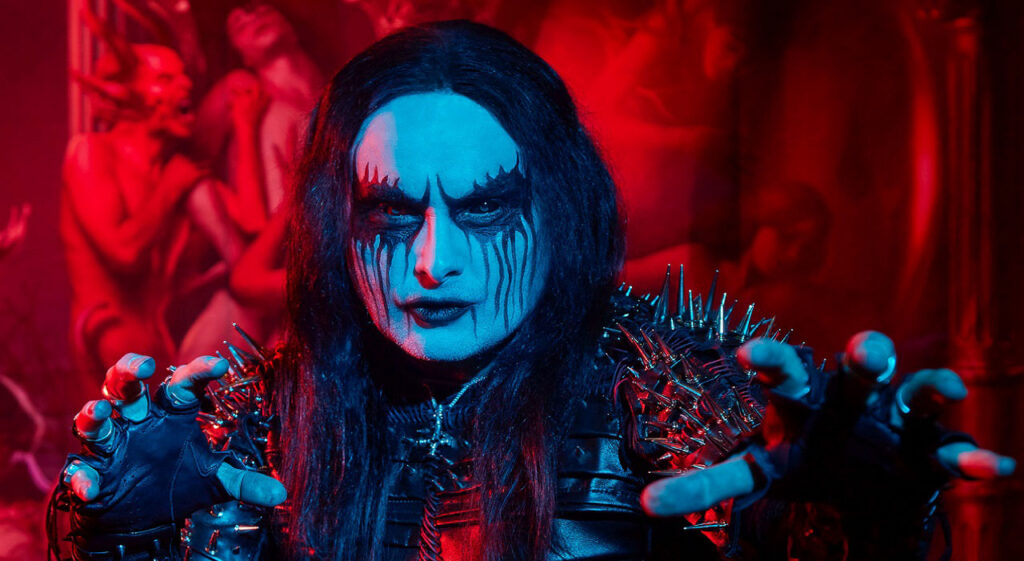
Cradle of Filth, led by the inimitable Dani Filth, continue to reign as the most influential and enduring name in extreme metal. Their reputation as a singular artistic force and as one of the most insanely entertaining live acts metal has ever produced remains unchallenged. Fresh off the success of their acclaimed 14th studio album The Screaming of the Valkyries, the band is ready to unleash their signature blend of blackened gothic metal, orchestral grandeur, and venomous lyricism on Australian fans who in turn rewarded the band with a fully sold-out tour on their last visit.

This week I was lucky enough to be able to sit down and talk to Dani about the upcoming tour – I started by asking him about how his friendship with DevilDriver frontman Dez Fafera first started.

“Well, we met ages ago when he was in Coal Chamber at various awards and shows and stuff – back in the early 90s, maybe late 90s sorry,” Dani explains. “And then more recently we were on tour in America and we had Jinjer in support and he was managing Jinjer at the time and came to the show expressed an interest in managing us. At that time we had this interim manager that was just utter shit so yeah that’s how it came about and yeah, we just hit it off.”

“Plus we liked what he had to offer,” he continues. “It was cool that as a management team him being a musician as well meant that it just sort of cut all the red tape when it comes to things that just should be obvious to a manager on how to look after a band. So, yeah, never looked back since then and it’s been a good now, what, six, seven years?”

That led me to ask what is it that Dani feels makes DevilDriver and Cradle Of Filth such a formidable force when they take to the stage together.

“Well, because we’re not a million miles apart,” he says after thinking for a moment. “You know, maybe different kinds of genres, but it’s not a million miles apart. It’s not like reggae and, you know, the Swedish House Mafia. It’s metal. They may be sort of groove-laden, meat and potatoes metal, and we may be the exotic dessert, but it works very well and the track record has proved that.”

Of course the other thing that has made those shows so special has been the music that Cradle Of Filth has been playing recently. Their last album, The Screaming Of The Valkyries, was an absolute masterpiece and Dani says adding tracks from it to the setlist has been amazing… and there is more to come.

“Well, it’s been great. The audience reactions have been amazing. We did a very busy year last year – touring South America, America, Europe, summer festivals, and yeah, it’s just been overwhelming really. And on the current trajectory, we’ve actually finished writing, well, about to finish writing. We’ve got another day to go and then soon myself and the producer will sit down at my house and go through which tracks we think are working toward the new record and then we’ll be in the studio by the end of this month.”

“That being said the album won’t be released until next year because we’ve got a busy year this year as well,” he quickly adds. “So we’re just continuing on our current upward climb I guess.”

So with such a crazy, busy year how did the band find time to sit down and write new material?

“Well, we’ve done a bit of everything. We’ve specifically finished touring mid-December and I was involved in a movie and more recently than that a duet that I’ve done with another large female artist – but essentially we set these few months since coming back off tour and we had ideas, obviously fledgling ideas already circulating amongst the band. But yeah, we just make time. We’re constantly busy but, you know, you need to work when the devil drives.”

Now to finish it all off Cradle Of Filth are coming to Australia and that is something that Dani cannot wait for.

“Well, it’s gonna be an incredible experience, you know obviously us and Devil Driver. They’ll be local supports as well and they’re going to be an amazing, it’s going to be an amazing experience. Whether you bought tickets or whether you’re planning to buy tickets – I already believe the majority of the shows are way over half sold out already so by my estimates they will sell out. Touring Australia you only generally do five or six shows, unless of course you’re that big that you can like book an extra night, so maybe if they do sell out that may happen but I’m not sure because we are booked in to arrive on a certain day and fly out on another day.”

“But I am very much looking forward to meeting people,” he continues. “I think there’s meet and greets. If there are, we always love meeting people, it’s as much an experience for the band as it is for the audience. So we are kind of in the same uncharted waters of what to expect. I mean, we know the parameters of what we’re doing, what’s going on and whatever, but you know you never can tell. And we always really look forward to it because obviously, you know, logistically we’re based on the other side of the world and it’s not often that we do get to Australia. So it’s a big deal for us as well.”

Cradle Of Filth and DevilDriver hit Australian shores in July.

Marilyn Manson Announces Antichrist Superstar 30th Anniversary Shows

By Music

“I’m celebrating 30 years of Antichrist Superstar at The Wiltern with a set that dives deep into this defining record and spans the milestones that followed. “It’s a tribute to where I began – and everything I have become.”

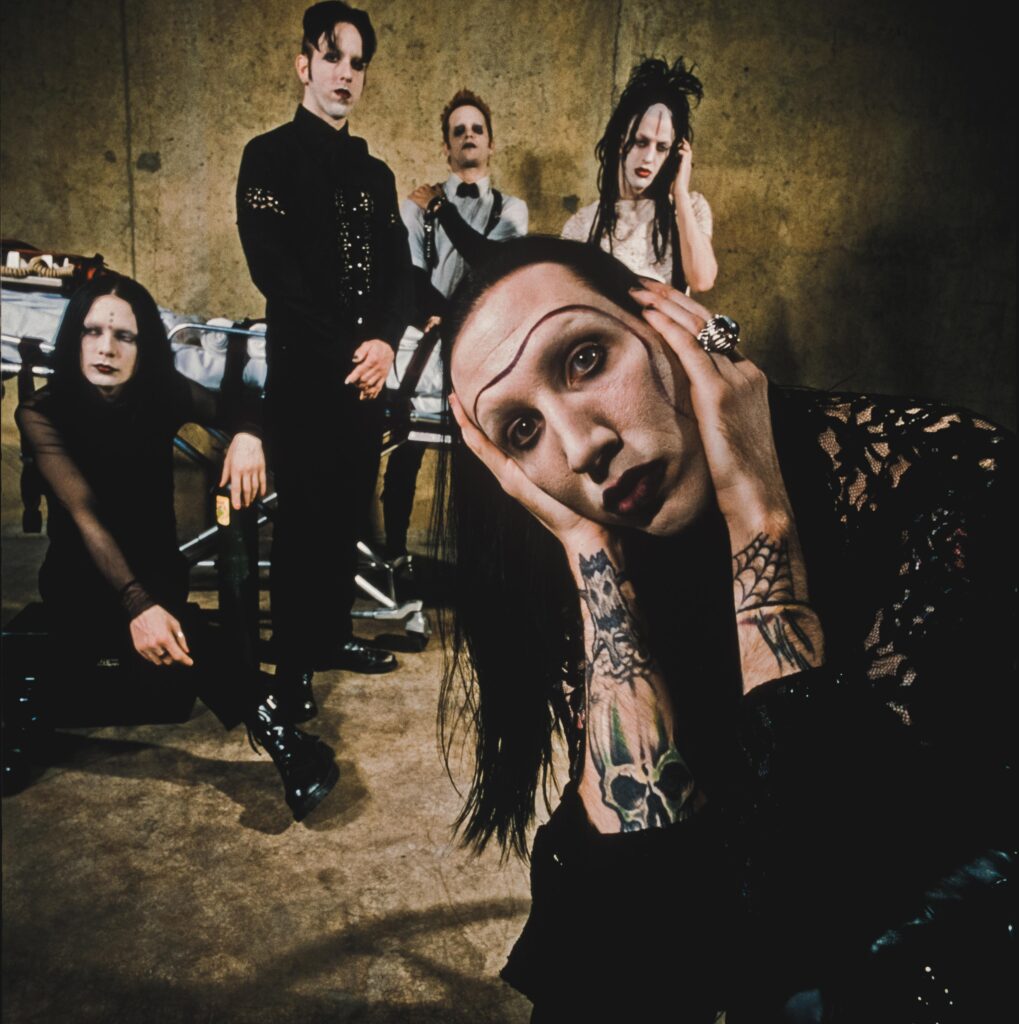
Marilyn Manson may still have more to reveal from the One Assassination Under God cycle, but before that next chapter fully unfolds, he is preparing to summon the ghost of the album that first turned him into a genuine cultural firestorm. This year, Manson will mark 30 years of Antichrist Superstar with two special performances at Los Angeles’ Wiltern, revisiting the record that dragged his name out of the underground and into the glare of controversy, spectacle and infamy.

Released in 1996, Antichrist Superstar was not simply another rock album. It was an eruption. A snarling, theatrical, blasphemous statement that hit with the force of a manifesto, it captured Marilyn Manson at the precise moment he stopped being a fringe provocation and became one of the most talked-about and feared figures in popular music. The album’s mix of industrial aggression, glam decay, apocalyptic imagery and total confrontation made it a defining release of the era, and nearly three decades later it still stands as one of the darkest and most uncompromising landmarks in his catalogue.

Manson announced the two Wiltern dates on March 9, making it clear these performances are intended as a celebration of Antichrist Superstar and the long shadow it continues to cast. In his own words, the shows will dive deeply into the material from that record while also reaching into the key moments that followed, framing the event as both a return to the beginning and a reflection on the transformation that came after. That alone suggests these will be more than ordinary tour dates. They feel positioned as a deliberate resurrection of the era that built the Marilyn Manson myth.

The concerts are locked in for October 31 and November 1, which could hardly be more fitting. Halloween weekend has always felt like natural territory for Manson, and the timing only adds to the sense that these shows are being staged as something ceremonial, almost ritualistic. There has been no official confirmation that Antichrist Superstar will be performed in full, front to back, but the language surrounding the announcement points strongly toward a setlist rooted in that period. Fans will no doubt be hoping for a heavy emphasis on the record’s most iconic material, including “The Beautiful People,” while also digging further into the album’s more corrosive and theatrical depths.

Marilyn Manson Antichrist Superstar Album Cover

There is every reason to expect strong demand for these shows. Anniversary performances built around a record as notorious and influential as Antichrist Superstar already carry serious weight, but the fact that these dates are being presented as special events rather than standard stops on a tour only adds to their pull. Presales for both Wiltern performances begin March 10, with the code ACSS30, giving longtime devotees the first shot at stepping inside what could become one of the year’s most talked-about live spectacles.

These Los Angeles dates also slot into a much bigger stretch of activity for Manson. In the months leading up to the Wiltern shows, he is set to return to the road for a North American run featuring headline dates with VOWWS in support, alongside a small number of festival appearances. Then, later in the year, he will once again join Rob Zombie for the co-headlining Freaks on Parade tour, continuing a live partnership that already feels built for maximum grotesque grandeur.

What makes these Antichrist Superstar anniversary shows especially compelling is that they are not just trading on nostalgia. They are reaching back to the exact moment Manson became larger than the music itself, when every performance felt dangerous, every image looked like a challenge, and every song seemed designed to provoke outrage. Whether the Wiltern sees a full-album performance or a broader career-spanning set built around that era, the intention is clear. This is a return to the furnace. A celebration of the record that made Marilyn Manson impossible to ignore and, for many, impossible to forget.

The First Band Of Occult Rock

By Music

Before Black Sabbath ever struck their first ominous chord, before Metal even had a name, there was Coven.

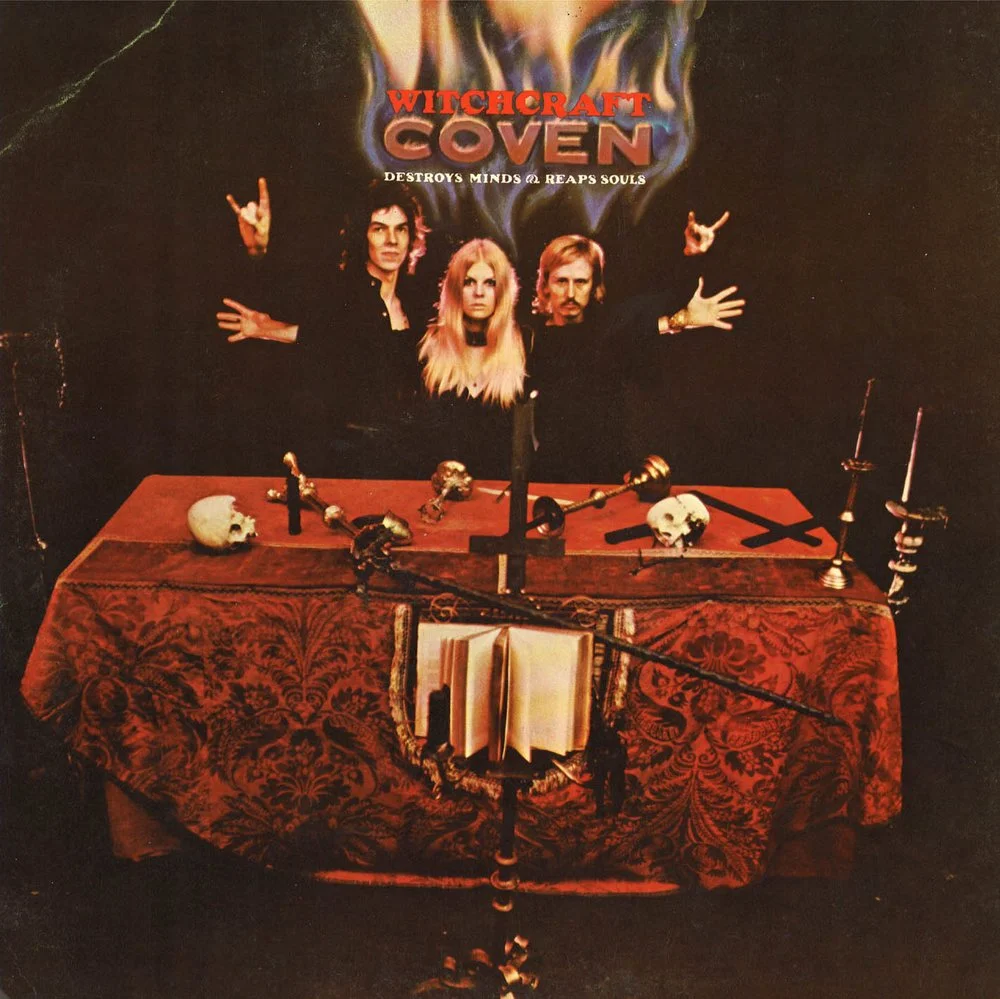
Born in Chicago in the mid-1960s, Coven weren’t just another psychedelic band flirting with the occult for shock value. They were the real thing. Led by Jinx Dawson, a striking woman with aristocratic roots and a flair for the theatrical, they were the first to take Satanism out of whispered rumor and put it right there on stage, in the flesh.

“I just thought, if everyone is doing what they like – the hippie life, flowers, love, or whatever – why can’t I mix what I like into the music?” – says Dawson.

Jinx wasn’t pretending. She grew up surrounded by old books, family secrets, and stories of ritual and mysticism that most kids would never hear. While everyone else in the late sixties was preaching peace and light, she found beauty in the shadows. She didn’t see the Devil as an enemy but as a symbol of rebellion, self-acceptance, and personal power. That conviction became the heartbeat of Coven.

“I was born into a very long lineage of Occult Adepts and Practitioners of the Ancient Arts … So it was natural for me to want to mix my heritage with my music.” -continues Dawson.

Their early shows in Chicago’s underground clubs were something else entirely. No love beads, no flower crowns. The stage glowed with candlelight instead of strobes, heavy with the scent of incense and the hiss of burning wax. Dawson appeared draped in black robes, eyes like daggers, leading the band through what felt less like a concert and more like a ceremony. The audience didn’t know whether to clap or cross themselves. There were chalices, crosses turned upside down, and moments where music and ritual blurred into one unsettling spectacle.

In 1969, Coven released Witchcraft Destroys Minds & Reaps Souls through Mercury Records. Even the title sounded dangerous. The songs were a wild mix of fuzz guitars, ritual chants, and lyrics that dared to say what others only hinted at. The tracklist read like a forbidden text: Black Sabbath, Pact with Lucifer, Dignitaries of Hell, Wicked Woman. And then came Satanic Mass—a thirteen-minute recording of an actual Black Mass, complete with Latin invocations and organ accompaniment. No one had ever done anything like it. This wasn’t shock rock. It was conviction pressed into vinyl.

Says Dawson, “It was actually meant to be a scholarly work; it really was not meant to be a band like the other rock bands. It was almost meant just for the stage, a sort of rock opera situation. I knew back then it was the definitive musical release on witchcraft and the occult as it was meant as a scholarly work. I am happy to see that it has held its position in occult research as many films and television shows have looked to the album for inspiration as have many bands over the years.”

On the back cover, the band threw the “sign of the horns,” a gesture that would later become synonymous with Heavy Metal. But in 1969, it was a scandal. America was already suspicious of the counterculture, and Coven looked like the smoking gun. When the Manson Family murders exploded across headlines that same summer, the country plunged into paranoia. Words like “occult” and “ritual” suddenly meant danger. Mercury Records panicked and pulled Coven’s album from shelves. Most copies were destroyed. In one brutal stroke, the band’s career was cut off before it could even start.

“Never met Manson. His unnecessary blood-party hurt our mission. The Manson murders didn’t help the situation…” says Dawson

They tried to regroup a few years later with a new approach. Their 1972 self-titled album traded darkness for light, featuring One Tin Soldier, an anti-war anthem that ended up being a surprise hit after it appeared in the film Billy Jack. Ironically, the song that made them famous was the complete opposite of everything that had made them dangerous. For some fans, it felt like betrayal. For the mainstream, it was the first time Coven seemed safe to listen to.

Coven’s self-titled second album, released in 1972 on MGM Records, marked a sharp turn from the dark rituals and Satanic symbolism that had defined their infamous debut Witchcraft Destroys Minds & Reaps Souls. After the uproar surrounding their first record and the moral panic that followed the Manson murders, the band decided to move toward a more accessible sound. The new record leaned heavily into mainstream rock and pop influences, focusing on melody rather than menace. Songs like Nightingale, Shooting Star, Dark Day in Chinatown, and I Guess It’s a Beautiful Day Today showed a more polished, radio-friendly side of the band. The standout track, One Tin Soldier (The Legend of Billy Jack), became a surprise hit after it was used in the film Billy Jack, earning Coven a level of mainstream success they had never experienced before. The album traded the ritualistic atmosphere of their debut for heartfelt songwriting and a sense of cautious optimism. Critics were mixed in their response, with some praising its strong hooks and Dawson’s voice, while others missed the fearless edge that once set them apart. Looking back, the record feels like the sound of a band trying to find its footing after being burned by controversy. It may not have carried the same occult fire, but it captured a moment when Coven tried to reconcile who they were with what the world would allow them to be.

Coven’s third album, Blood on the Snow, released in 1974 on Buddah Records, showed the band once again reinventing themselves. This time they leaned back toward a heavier rock sound, though still stripped of the full occult imagery that had once made them infamous. The album was more confident and muscular than their 1972 release, blending elements of hard rock and early glam with a sense of drama that had always been part of Coven’s identity. Songs like Night Crawler, Don’t Call Me, and the title track Blood on the Snow carried a raw energy that hinted at what the band could have become if the world had caught up to them sooner. The record is also notable for featuring one of the first promotional music videos ever made for a rock band, a bold move that predated MTV by nearly a decade. The video, created for the title track, showed the band performing amid moody visuals and theatrical lighting, capturing their flair for ritual and spectacle without relying on overt Satanic themes. Despite its creativity, Blood on the Snow didn’t make a commercial impact, and the lack of label support led the band to fade from the spotlight soon after. In hindsight, the album feels like the last gasp of an era—a record that bridged the wild experimentation of the late 1960s with the hard-edged sound that would define rock in the years to come. It stands today as an underrated but fascinating piece of Coven’s story, a glimpse of a band still burning with vision even as the world stopped watching.

Then came the eighties. Metal got darker. Bands like Venom, Mercyful Fate, and Slayer began embracing the kind of imagery Coven had pioneered years earlier. Collectors started hunting for Witchcraft Destroys Minds & Reaps Souls, passing around bootlegs and writing about this mysterious group who had recorded a Black Mass before Black Sabbath even released their debut. Slowly, the legend returned. Jinx Dawson was no longer an odd footnote—she was recognized as the first woman to drag real Satanism into rock music.

By the 2000s, Dawson reappeared, performing again after decades of silence. She was older, sure, but still every bit the High Priestess. Her presence was commanding, her voice untouched by time. Audiences at festivals like Roadburn and Sweden Rock watched in awe as she performed the same songs that had once been banned. It wasn’t nostalgia—it felt like justice.

Coven’s influence runs deep now. You can hear their shadow in the ritual theatrics of Ghost, the mystic storytelling of Blood Ceremony, the dark ceremony of The Devil’s Blood. They created the blueprint before anyone else had the courage to. The horns, the inverted cross, the invocation of the Left Hand Path—all of it started with Coven.

Black Sabbath may have defined what metal sounded like, but Coven defined what it looked and felt like. They were the spark that lit the black flame, the ones who proved that music could be both rebellion and ritual.

Jinx Dawson didn’t just front a band. She created a myth. She struck the first match, lit the first black candle, and invited the world to stare straight into the fire. It just took the rest of us fifty years to catch up.

Jinx Dawson – High Priestess of Occult Rock

Few figures in rock history are as enigmatic and influential as Jinx Dawson, the frontwoman of Coven and one of the first women in rock to openly embrace the occult. Long before theatrical Satanism became a hallmark of heavy metal, Dawson was lighting black candles on stage, flashing the horns of the Devil, and singing invocations to Lucifer with operatic flair.

Born into a wealthy Midwestern family with aristocratic roots, Dawson has often spoken of her exposure to esoteric traditions from an early age. Whether literal or symbolic, this background gave her a foundation upon which she built her artistic persona: a mixture of elegance, menace, and ritual authority. Unlike many of her contemporaries, for whom occult references were little more than countercultural window dressing, Dawson embodied the role of a High Priestess, carrying herself with theatrical seriousness and conviction.

In 1969, she became one of the most infamous women in rock with the release of Coven’s Witchcraft Destroys Minds & Reaps Souls. On the album’s back cover, she and her bandmates boldly displayed the “sign of the horns” for the first time in rock history, decades before the gesture would be immortalized by Ronnie James Dio. Onstage and on vinyl, Dawson presided over a full-length Satanic Mass, her voice weaving through ritual chants that shocked a nation already trembling from the Manson murders and moral panic.

But Dawson was more than a provocateur. She was an innovator. With her commanding stage presence, she carved out a space for female authority in the male-dominated world of heavy music, embodying a figure of occult power rather than a submissive muse. Where most women in rock were relegated to supporting roles or objectified positions, Dawson declared herself a priestess of the Left-Hand Path, commanding the stage with equal parts grace and menace.

After Coven’s fall from mainstream view in the 1970s, Dawson largely disappeared from the spotlight. Yet she remained a cult figure, whispered about among record collectors and occultists. When she returned in the 2000s and 2010s for a new wave of Coven performances, audiences were stunned to see that she still carried the aura of mystery and darkness that had defined her youth. Appearing at festivals like Roadburn, she proved that her presence remained undimmed — a timeless icon of ritual theater in music.

Today, Jinx Dawson is celebrated as the forgotten mother of metal’s occult tradition. Her influence can be seen in every band that uses ritual imagery, every singer who adopts the role of dark priest or priestess, and every stage set ablaze with candles and inverted symbols. If Black Sabbath fathered heavy metal, then Jinx Dawson and Coven gave it its soul — dark, mysterious, and forever bound to the forbidden.