When the sun sets on April 30th, Walpurgis Night awakens, and transports you back in time to a day that still smells of wood smoke, carries the echoes of forgotten gods and and has the thrill of a world where superstition wasn’t seen as naive, but necessary.
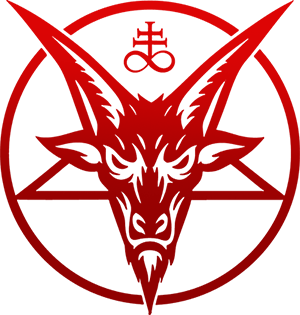
Coming hotfooting into the Western calendar, this night has been a point of seasonal transition, not just between winter and spring but also between fear and freedom. The festival is older than Christianity, older than Saint Walpurga, and even the name itself. It’s a night born out of flames and folk tales.
If you look back at the very early European tribes you’ll find that they marked the change in seasons with fire rituals, and since those days of medieval villages and the rise of the Church, this night has been one of the most important.
It was basically the night before May Day, and for the Celts it was known as Beltane.
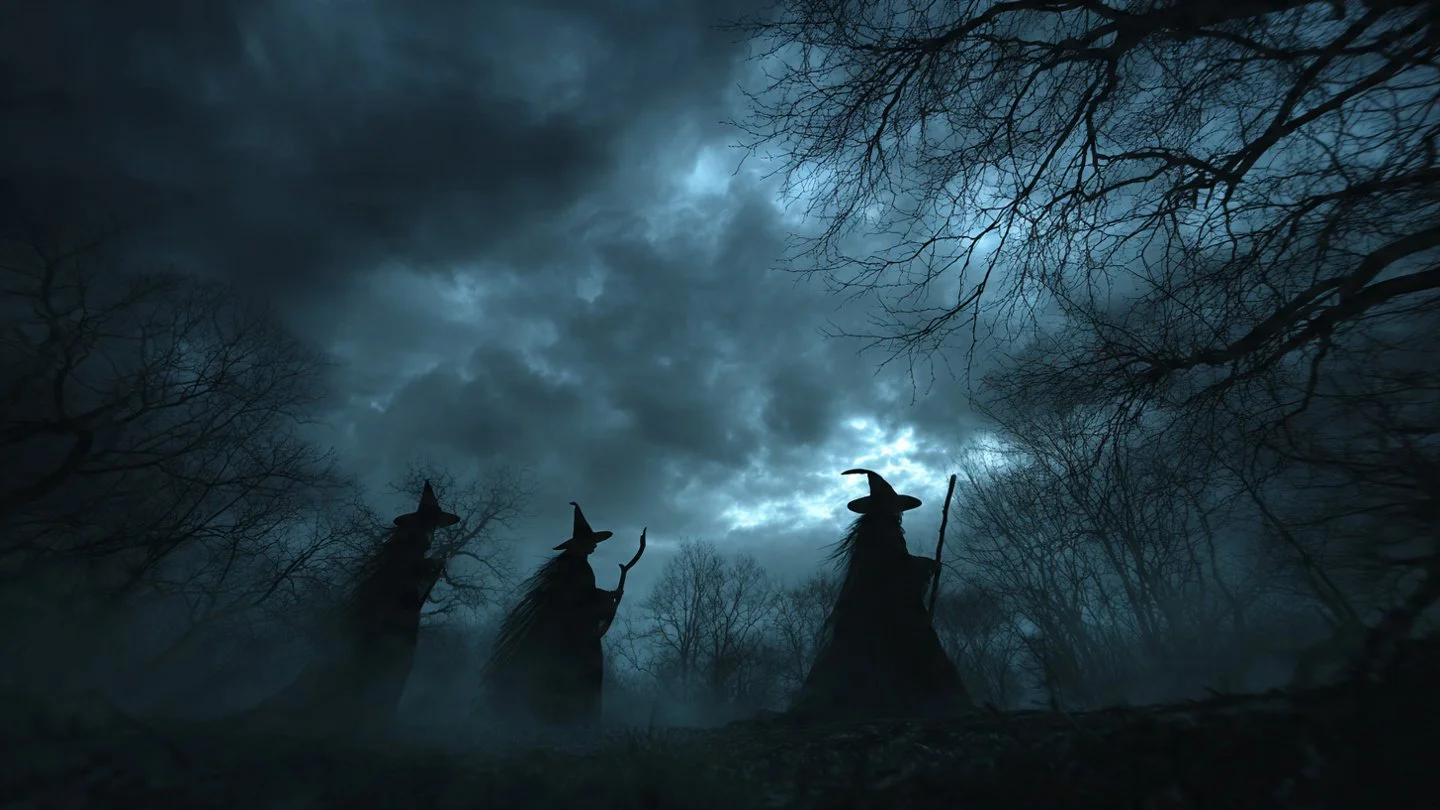
Across the Germanic lands, regional traditions were not all the same, but the fires lit on ridges in Scandinavia, Germany, Bohemia, and the Baltic regions show the strength of these local celebrations, which involved leaping through flames for good fortune, lovers disappearing into the woods and a blessing of the barren fields. A night so pregnant with energy and emotions has seen Christianity struggle to stamp out this night’s traditions. In relation to European folklore, the night of April 30th has had a wild history, and this is largely due to the legend of Walpurgis Night. This night became the imagined Sabbath of the witches and, in German stories, these witches were said to fly to the eerie Brocken mountain in the Harz range on broomsticks or goats. The mist-shrouded, peaky and twisted shape of the Brocken made it an easily perceived place of the supernatural. People proclaimed the meeting point of the witches as a time and place to feast, dance, conjure storms and consort with the devil, and with time, the stories of the night grew ever more intricate and were given an entire tome of dread.
Contrary to the bleak reality of Walpurgis Night lore, ordinary people continued to gather around bonfires, drown their fears in alcohol, and, as the difference between the imaginative and real, became more obscure. The Church, however, sought to rebrand the festival to link it to Saint Walpurga, a Anglo Saxon nun whose relics were brought to a German shrine on April 30th, though neither her name nor her spirit took a real hold. Nobody is praying to Saint Walpurga anymore when the night entices people to light bonfires and frolic in the hills, the pagan spirit of the festivity in its essence refused to yield.
The witch trials, however spread out across Europe, completely transformed Walpurgis Night into a symbolic entity representing the fears of the Church. This belief in April 30th’s being the witch’s night became reinforced for them. All doubts, anxieties and every last superstition they flung themselves into this particular cauldron and if there’s anything suspicious about the neighborhood, then they’re looking for the supposed witches taking flight on that evening. The legends continued to darken up and anything pleasant about the firelit revelries was thought to be a felony by those who were hunting them.
While the panic rages on, the folklore outlives the dread.
Walpurgis Night is still the festival that weaves through time. Walpurgis Night can be seen to be the springtime counterpart of Halloween, where death gets close to the surface. Well-known as the night when life is at its strongest and fangs out, flames dance, and a brand-new year begins. People give themselves up to the rough, untamed side of life.
When looking at the European folklore, Walpurgis Night has a distinct identity made out of history, myths and desires. Basically it’s the springtime counterpart to Halloween, the night when death reigns, and Walpurgis Night is when life bursts forth with unbridled energy. Blazing fires and the birth of a brand-new season are a given, and people love to let themselves run wild, untamed by the stifling conventions of polite society.
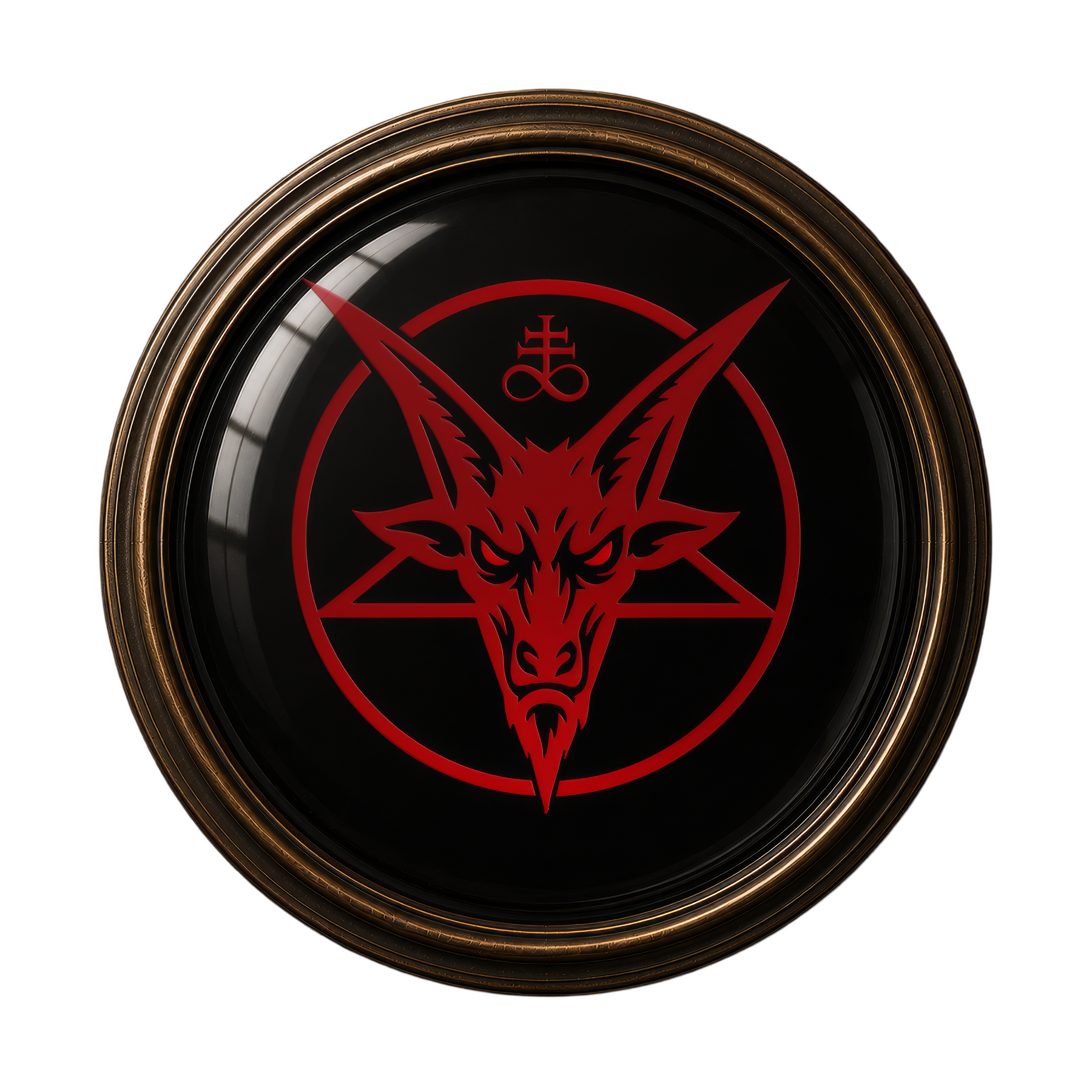
Literature has kept the tradition alive, Goethe’s “Faust” eternally cementing the Brocken mountain as the witches’ meeting ground for a riotous, all-encompassing Sabbath and artists of the Romantic period have made Walpurgis Night the epitome of twisted bodies, frenzied rituals and rapturous abandon. Reputed to be the night of utter misrule, a time when the world’s boundaries blur and the bizarre and unexplained become the norm, it is no wonder that Anton LaVey, when he founded the Church of Satan in 1966, chose this night. And he wasn’t after just any night, he was choosing a very specific date, a date laced with centuries of lore on witches, resistance to the church, and defiance of conformity, an evening that, belonging to the outcasts, the hedonists, and the feared.
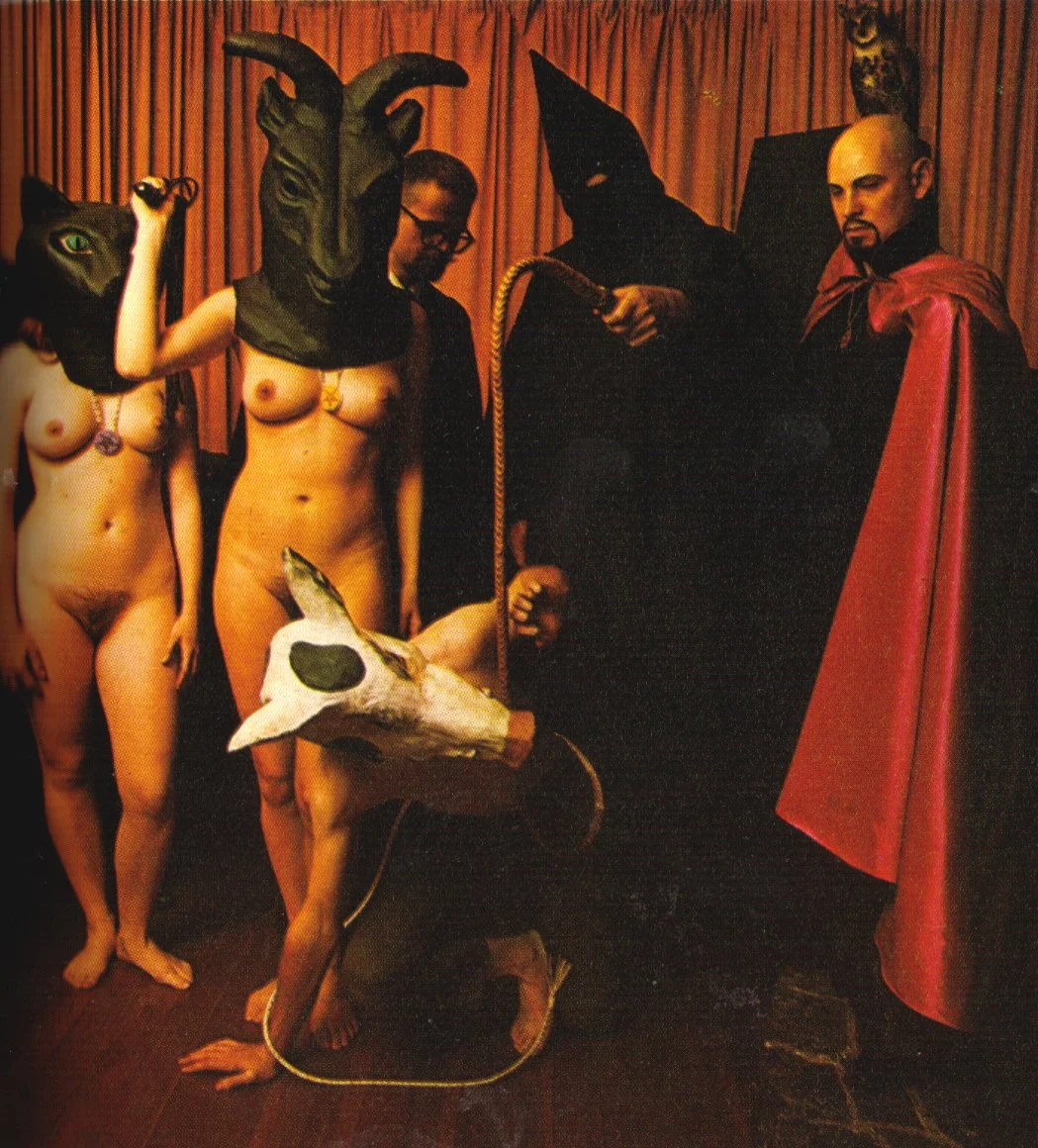
For LaVey, Walpurgis Night symbolized the consummate union of hedonism and iconography and personified the revival of the bountiful spring season that’s in perfect harmony with Satanic tenets. The fire-filled night represented an emotional and cathartic cleansing; It stood out as an indicator that humanity has left the psychic grip of winter. In terms of the idea of witches meeting on mountaintops it’s a romantic notion, but really it’s about people reasserting their power over their lives. Coming hotfooting down from the mountains isn’t the same thing. It’s about human beings reclaiming their authority over their own fates.
The Church of Satan was founded on Walpurgis Night, April 30th, and fittingly so, since its philosophy is one of rebellion, fire and self-ownership.
Well-known European traditions associated with Walpurgis Night include the burning fires of Hexennacht in Germany, effigy burning in the Czech Republic to chase away the last remnants of winter, and gigantic bonfires that whole towns gather around in Sweden where the Maypole is raised the next morning, and the festival is blended with the same carnival, chaos and youthful abandon in Estonia and Finland.
Walpurgis Night is viewed in the occult circles as a period of transformation, to reinvigorate oneself, to perform renewal ceremonies, to rid oneself of stagnation. Inspired by LaVey it’s also taken as the story of the origins of Satanism and began here because it’s got this charge of centuries of folkloric power, plus flames, sex, threat and won’t back down.
Walpurgis Night has resisted every attempt to kill it off.
It’s basically become a symbol of humanity’s need for wild celebrations. Fire is now a reminder that life is raw and brutal, and the world feels off-kilter and genuine, and love wins out, and the devil has gone from being something to fear to being a symbol of liberation.