
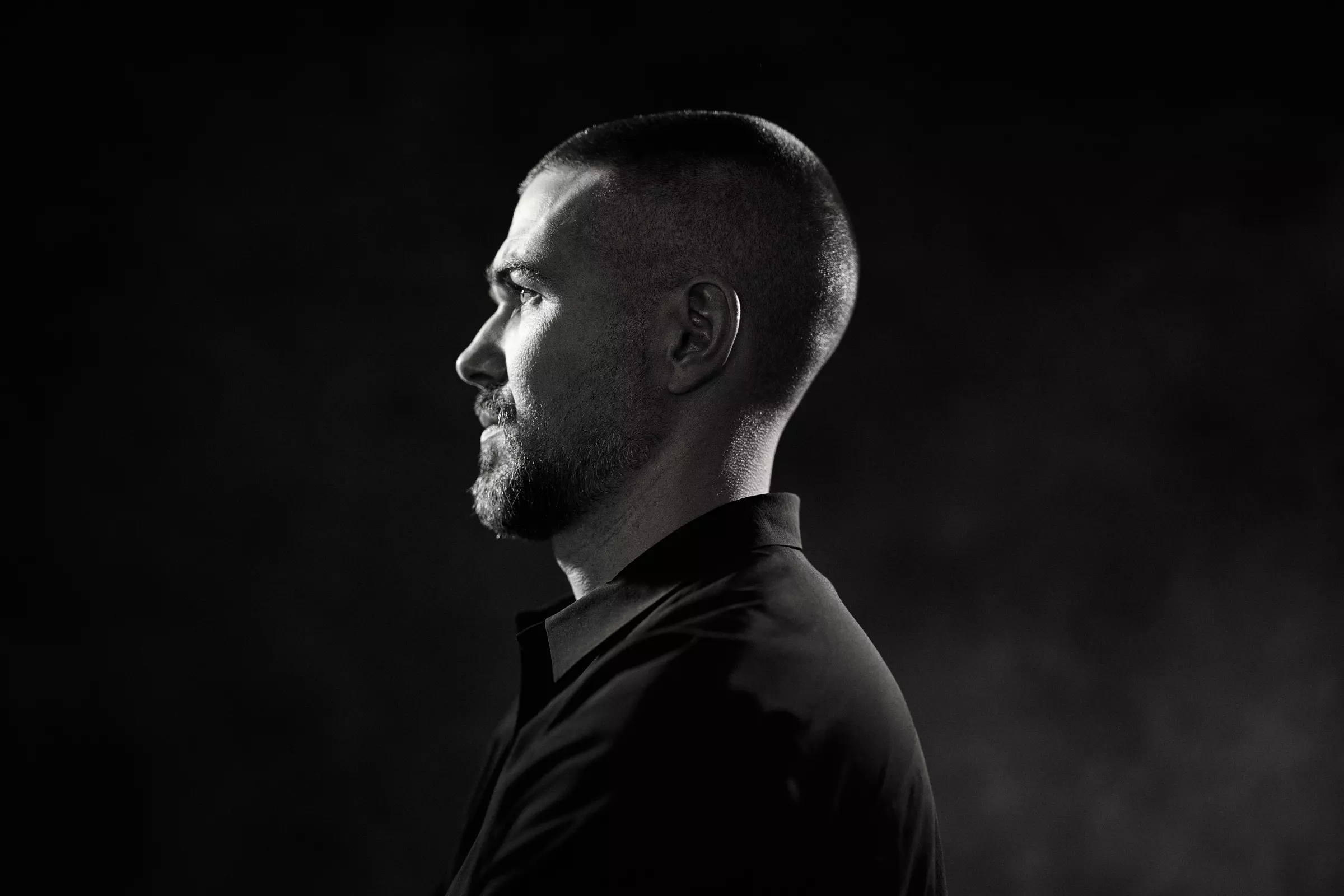
Few modern filmmakers have become as closely associated with the occult as Robert Eggers. His films are filled with witches, pagan rituals, ancient gods, folklore, demons, curses, and supernatural forces that feel unnervingly authentic. Whether it is the Black Phillip of The Witch, the mystical visions of The Northman, or the dark symbolism of Nosferatu, Eggers has developed a reputation for presenting the occult with a level of historical detail rarely seen in contemporary cinema.

This has naturally led many viewers to wonder whether his fascination extends beyond filmmaking. Is Robert Eggers personally involved in the occult, or is he simply an obsessive researcher with an extraordinary eye for historical authenticity?
The evidence suggests the latter.
I find it impossible to watch a Robert Eggers film without feeling like I’ve stumbled into a history book that should have remained sealed. For me, he’s the only filmmaker who truly understands that the occult isn’t just a collection of jump scares or CGI effects; it’s a living, breathing weight of the past.
A Historian First, Filmmaker Second
Honestly, I think the reason Robert Eggers’ films land so hard is that he’s basically an archivist who happens to make horror movies. Before he was a director, he was a production designer and a theater guy, and you can really tell. He doesn’t care about modern horror jump scares or tired tropes. He cares about whether the buttons on a coat from 1600 are historically accurate. It sounds boring until you realize that his obsession with getting the furniture, the dialect, and the superstitions right is exactly what pulls you into his world.
What I love about his approach is that he doesn’t try to force our modern perspective onto his characters. He isn’t interested in making a movie about “what if” a witch was real. He is interested in the fact that people actually believed in witches with every fiber of their being. He gets inside their heads, and because he treats their fears like absolute fact, the horror on screen feels terrifyingly grounded. He’s not telling a ghost story to freak us out. He’s showing us how scary the world used to be for the people who really lived in it.
The Witch and the Reality of Seventeenth Century Fear
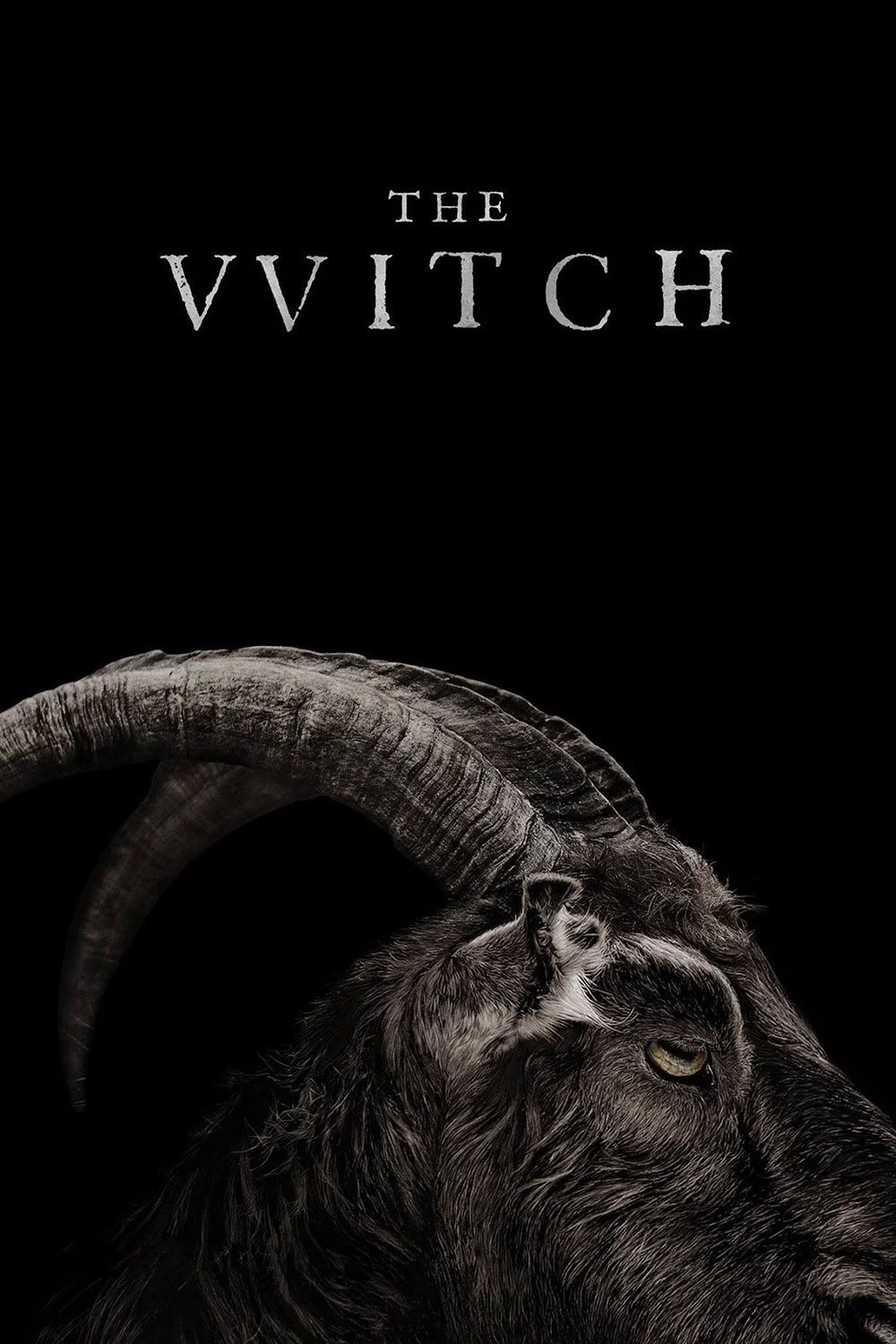
When The Witch hit theaters in 2015, it blew me away because it felt like nothing else in the horror genre. Most filmmakers try to invent their own spooky mythology, but Eggers took a completely different path. He practically lived in old Puritan journals, colonial court records, and period sermons to get the vibe right. You can tell, too. Some of the most unsettling parts of that movie are actually pulled straight from real, recorded accusations from the 1600s.
What I think really sells it is the dialogue. He reconstructed it using period-accurate English, which sounds daunting, but it totally works. It makes you feel like you are actually sitting in New England in the 1630s. It stops feeling like a horror movie and starts feeling like a window into a time when people truly, genuinely believed that Satan was hanging out in their backyard. The Devil in that film isn’t some CGI monster created for a jump scare. It is the exact, terrifying version of the Devil that a Puritan would have feared. It is brilliant.
Folklore Rather Than Fantasy
For me, the coolest thing about Robert Eggers is that he couldn’t care less about traditional fantasy tropes. He is all about folklore, and there is a massive difference. You can really see it in The Lighthouse, which is this wild, claustrophobic mix of maritime legends, Greek myths, and alchemy that just spirals into total madness. Most directors would feel the need to explain those mysteries, but Eggers refuses to do that. He just lets the myths exist alongside the characters, and it makes the whole thing feel much more surreal and dangerous.
Then you have The Northman, which takes that same commitment and applies it to the Viking world. He went to crazy lengths to get the details right. He actually hired archaeologists and historians for the production because he wanted the seiðr rituals, the Valkyries, and Odin to feel like they were part of a real spiritual reality, not just cool visual effects. He treats that stuff with so much respect. In his hands, the supernatural never feels like window dressing. It feels like the actual air his characters are breathing. That is why I think he is one of the only guys working today who really gets that folklore should be lived in, not just observed from a distance.
Researching the Occult
The biggest reason Robert Eggers puts other horror directors to shame is the sheer, obsessive amount of homework he does. This is not just surface-level research for him. He spends years burying himself in dusty manuscripts, old religious texts, and dense folklore studies long before a single camera starts rolling. Most filmmakers just recycle the same lazy horror clichés because it is the path of least resistance. He refuses to go down that route. He is busy reconstructing how people actually thought hundreds of years ago, and that changes the entire game.
That level of dedication is why his movies feel so hauntingly real. I see people online all the time who watch his work and assume he must be some kind of occultist who truly believes in these demons and curses. I think that is a complete misunderstanding of his process. He is not making a documentary about his own personal faith. He is just a massive nerd for history who happens to be a genius filmmaker. He does not need to believe in these superstitions for them to be terrifying on screen. He just needs to understand exactly what the people who did believe in them were afraid of. That is why he is at the top of his field..
What Eggers Has Actually Said
I see people guessing about what Eggers actually believes all the time, but he has been pretty clear about it if you know where to look. In that New Yorker profile, he admitted something super interesting. He said he has a genuine fear of surrendering to the occult. He has met plenty of real witches and practitioners, and he thinks their perspectives are fascinating, but he knows exactly where to draw the line.
Making movies is his way of exploring those dark places from a safe distance. He gets to stare into the abyss, but he does not have to jump in. That is a crucial distinction. We really need to stop assuming that being curious about the supernatural is the same thing as being a true believer. Artists have been diving into religion, mythology, and the dark stuff for centuries without signing up for the belief system themselves. He is just doing what great artists have always done.
Is Robert Eggers an Occultist?
Despite years of speculation from fans, there is no credible evidence that Robert Eggers belongs to any occult organisation, magical order or esoteric society.
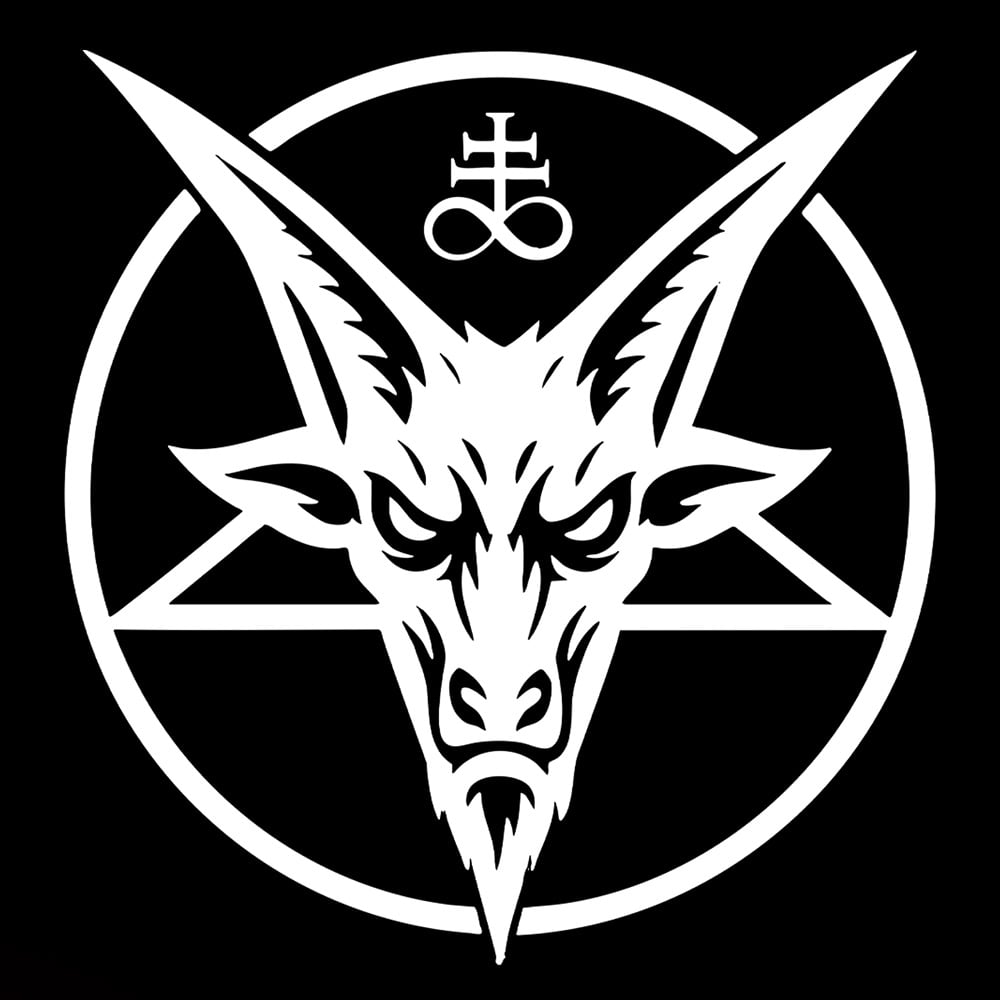
Likewise, there is no indication that he identifies as a Satanist or has any formal connection with the Church of Satan.
His work certainly reflects an admiration for historical occult traditions, but admiration for historical subjects is not the same as personal practice.
Eggers appears to approach the occult much as a historian approaches ancient civilizations. He studies them thoroughly, respects their complexity and attempts to represent them honestly.
Why His Films Appeal to Satanists
Although Eggers has never identified with Satanism publicly, many members of the Church of Satan and other Left Hand Path communities have embraced his work.
One reason is his refusal to reduce Satan, witches or pagan traditions to simplistic monsters.
Instead, he presents them within their historical and cultural contexts, allowing audiences to understand why people feared, worshipped or condemned them.
That intellectual honesty resonates with viewers who appreciate history over sensationalism.
His films encourage audiences to question inherited assumptions rather than simply accepting traditional religious narratives.
Nosferatu and Occult Symbolism
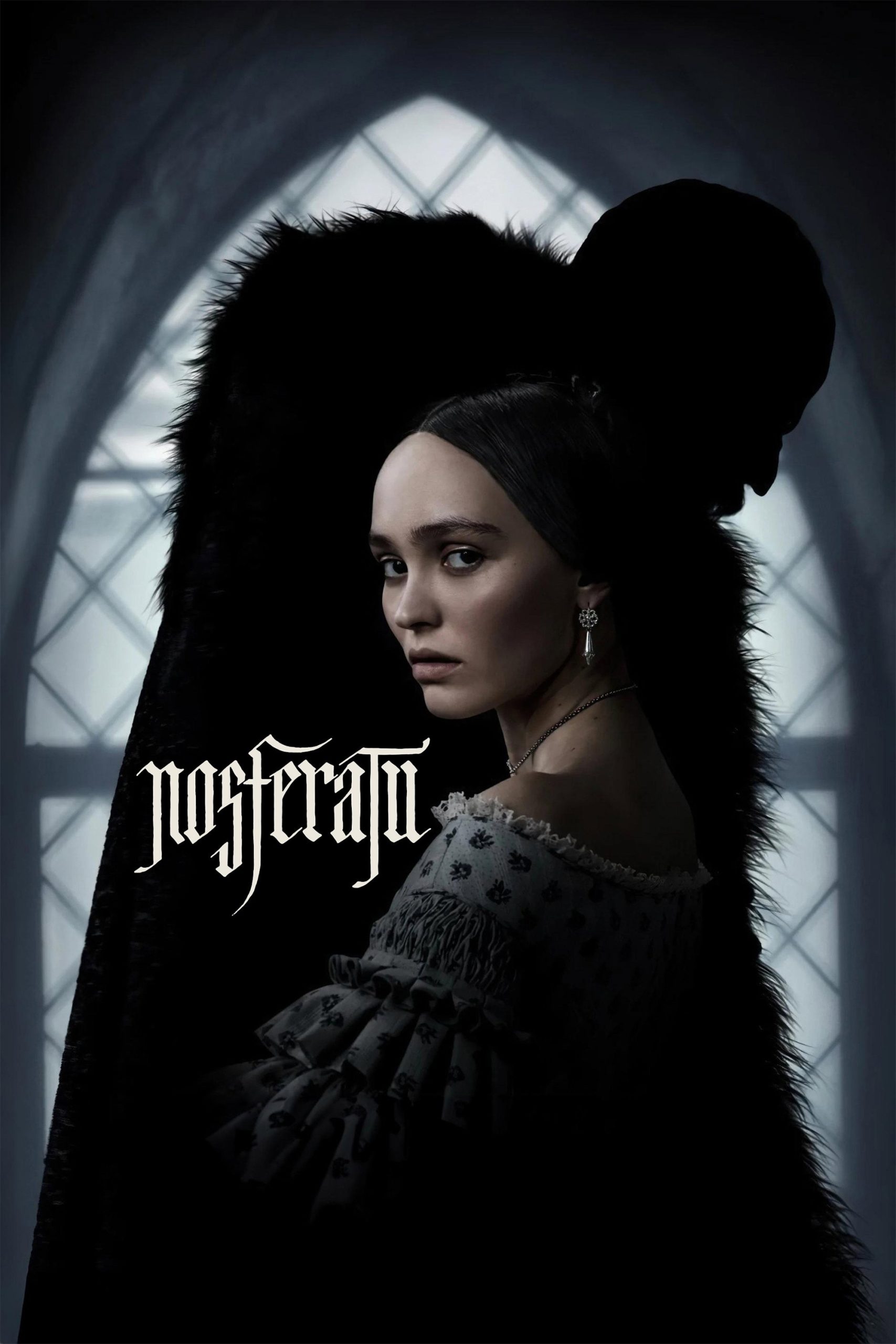
Eggers’ adaptation of Nosferatu continues this pattern.
The original 1922 production carried subtle connections to early twentieth century occult thought through producer and designer Albin Grau, who had genuine interests in ceremonial magic and esoteric philosophy.
Eggers researched those influences while developing his own version, preserving much of the atmosphere without turning the film into an occult manifesto.
Once again, history informed the art.
The Power of Belief
Perhaps the most interesting aspect of Robert Eggers’ cinema is that belief itself often becomes the true subject of his films.
His characters live inside worlds where folklore shapes reality.
Whether the supernatural is objectively real often matters less than the fact that the characters believe it is.
That psychological approach gives his films an authenticity rarely achieved in horror cinema.
Fear becomes believable because the people experiencing it genuinely accept the existence of the forces confronting them.
Final Thoughts
Robert Eggers has become one of cinema’s foremost interpreters of folklore, witchcraft and historical occult traditions. His extraordinary commitment to research has produced films that feel immersive, intelligent and historically grounded.
Despite recurring speculation, there is no evidence that he personally practices occultism or belongs to any esoteric organisation. His own comments suggest he prefers to remain an observer rather than a participant.
For audiences interested in the history of magic, witchcraft and ancient belief systems, that distance may actually be one of his greatest strengths. It allows him to portray these traditions with curiosity, respect and remarkable authenticity while leaving viewers free to decide for themselves where history ends and mythology begins.