

Tag

Mythic Storytelling

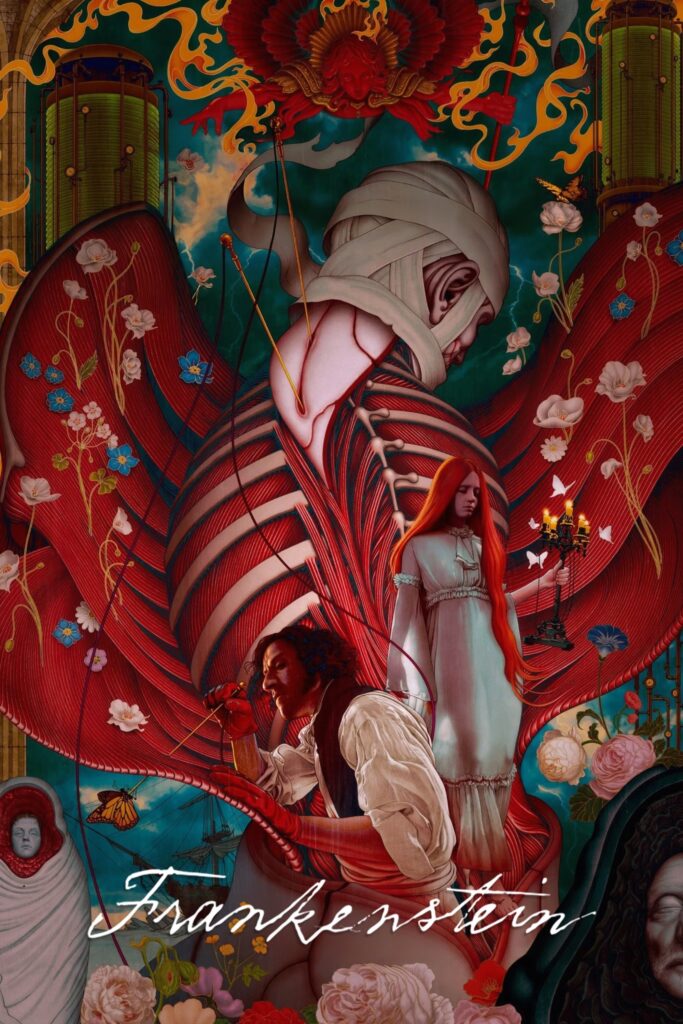
Guillermo del Toro’s Frankenstein

Guillermo del Toro’s Frankenstein

By Cinema

Dark Masterpiece of Creation and Consequence

Guillermo del Toro has finally done it. After decades of circling the idea, sketching monsters in notebooks, dropping hints in interviews, his long-awaited adaptation of Frankenstein has arrived — and it’s every bit the dark, melancholic dream you’d expect from him. The film stars Oscar Isaac as Victor Frankenstein, Jacob Elordi as the Creature, and Mia Goth as Elizabeth, with Netflix backing it on a reported budget of around US$120 million.
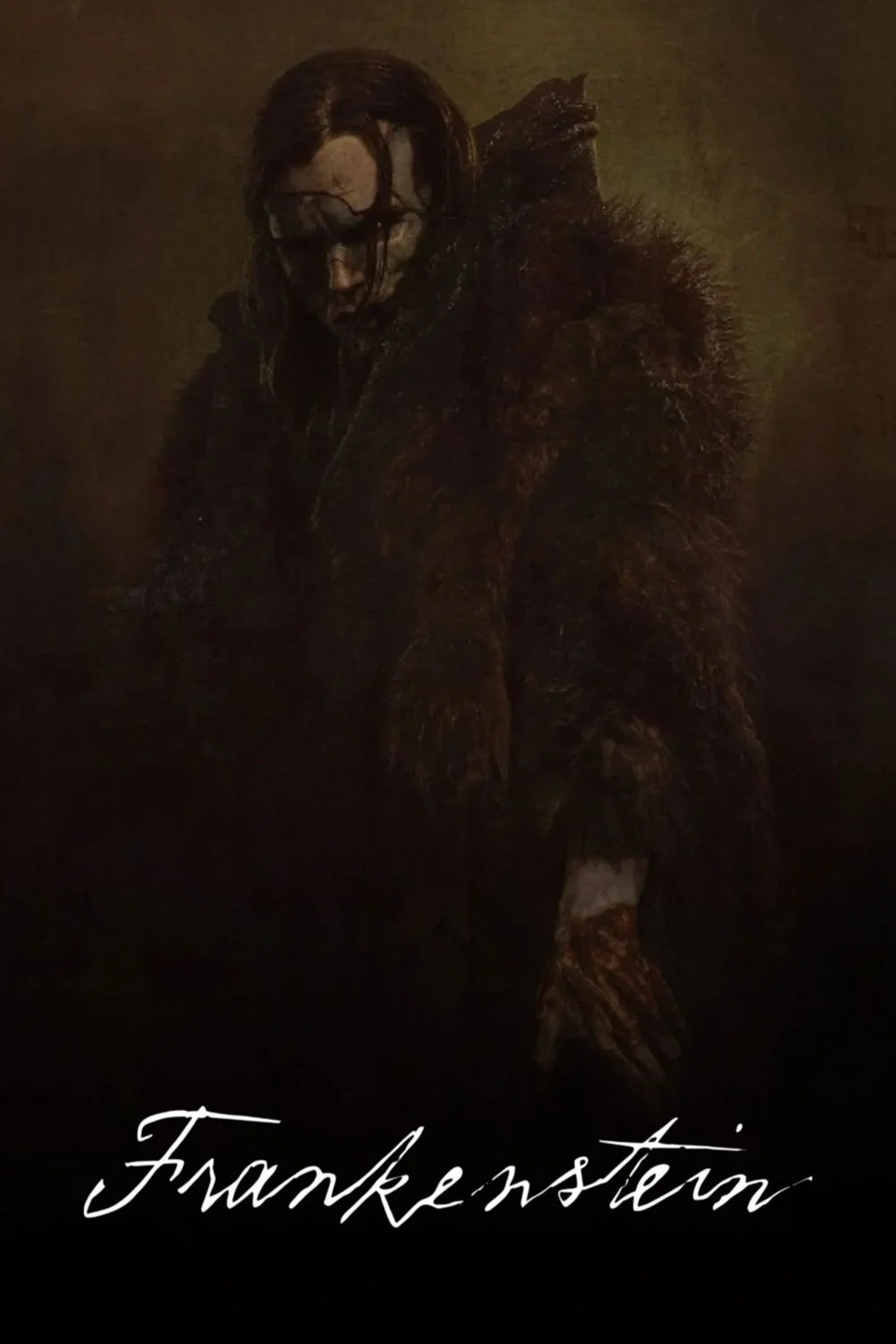
When watching Victor Frankenstein, you can’t help but feel the sadness that the film is conveying. As a surgeon of ambitious means, supported by an arms dealer, Frankenstein gathers his materials from the battlefields and execution sites of the past. The movie is less about horror and more about the results of creating something.

Well-known as a silent, imposing figure, the Creature has been reimagined by Del Toro and Elordi, and now it has a voice, a body, and an unmistakable humanity. Its tentative steps and ever-changing facial expressions speak of his pain and longing and also show a lot of what’s been passed down from his creator.

Oscar Isaac’s performance as Frankenstein is nothing short of mesmerizing.

An artist who has fallen under the curse of his own ego, he doesn’t fit into the common image of a’mad scientist’.

He’s someone who gets completely absorbed by his work, and can’t live with the limits that nature has set. Coming into contact with his creation is a bit like a sacramental ritual for him, but this sense of devotion turns into dread and denial when the creature starts to stir and grow more self-aware.

Frankenstein is very much divided between its characters, Victor as God and child, crafting something that he can’t love, and running away from its reflection. The film gives its main character the softest look when portraying him as the newborn Creature. In his journey from innocence to wounded exile, he becomes the emotional anchor of the movie, and when he confronts his creator, turns it into a Greek tragedy.

Mia Goth brings the film its heart and sense of purpose. She is not just a heartbroken fiancée, she is basically the moral compass of the story, stuck between her love and her disgust for Frankenstein. It’s one of her best performances, delicate, clever, and chilling, and completely redefines the story’s power dynamics. Visually, Frankenstein is a masterpiece.  Ruined hospitals and metallic glint of surgical tools, when watching Frankenstein you can’t help but feel you’re gazing at the decaying grandeur of 19th-century Europe, a time of flickering gaslights. Del Toro’s camera moves through the scenes in a way that shows each frame as if it’s been painted on an easel, and splits the colors between warm, comforting sepia tones and chilling industrial blues, in a poetic tribute to the circle of life and death and the machinery that brings them together. There isn’t any digital overindulgence, the effects are all practically applied, rough and visceral and soaked in blood. Every stitch, every morgue slab leaves its mark on you.

Coming from a thematic standpoint, Frankenstein takes on the same fundamental ideas as the original novel, creation, identity, and duty. Del Toro is very much avoiding clichés in the monster movie genre, instead plunging into a study of emotional inheritance. The things that we pass on to what we create, including our imperfections, fears and loneliness. The Creature, seen through the eyes of Victor Frankenstein, is also a reflection of the director’s own, and one that he calls “the patron saints of imperfection” and is omnipresent in this movie.

Marc Desplat’s score is a masterpiece that glides like a requiem mass, dripping in cellos and mournful choruses.

Rather than traditional horror music it is a wistful dirge: the sound of something sacred falling apart.

When Frankenstein premiered at the Venice Film Festival it earned a ten minute standing ovation, up to thirteen minutes, and it’s easy to see why, because it’s not a film that plays for the masses, but it’s emotionally haunting in a way that most movies don’t dare to be. It’s not horror film, it’s basically love, asking you to look at the monster and to see yourself.

Well-known for its sumptuousness, the film’s most stirring moments are very small: the Creature’s very first breath, Victor’s quivering hand, and Elizabeth’s beautiful gaze over a candlelit room. Del Toro is not only adapting the source material, but is in a way communing with the spirit of Mary Shelley.
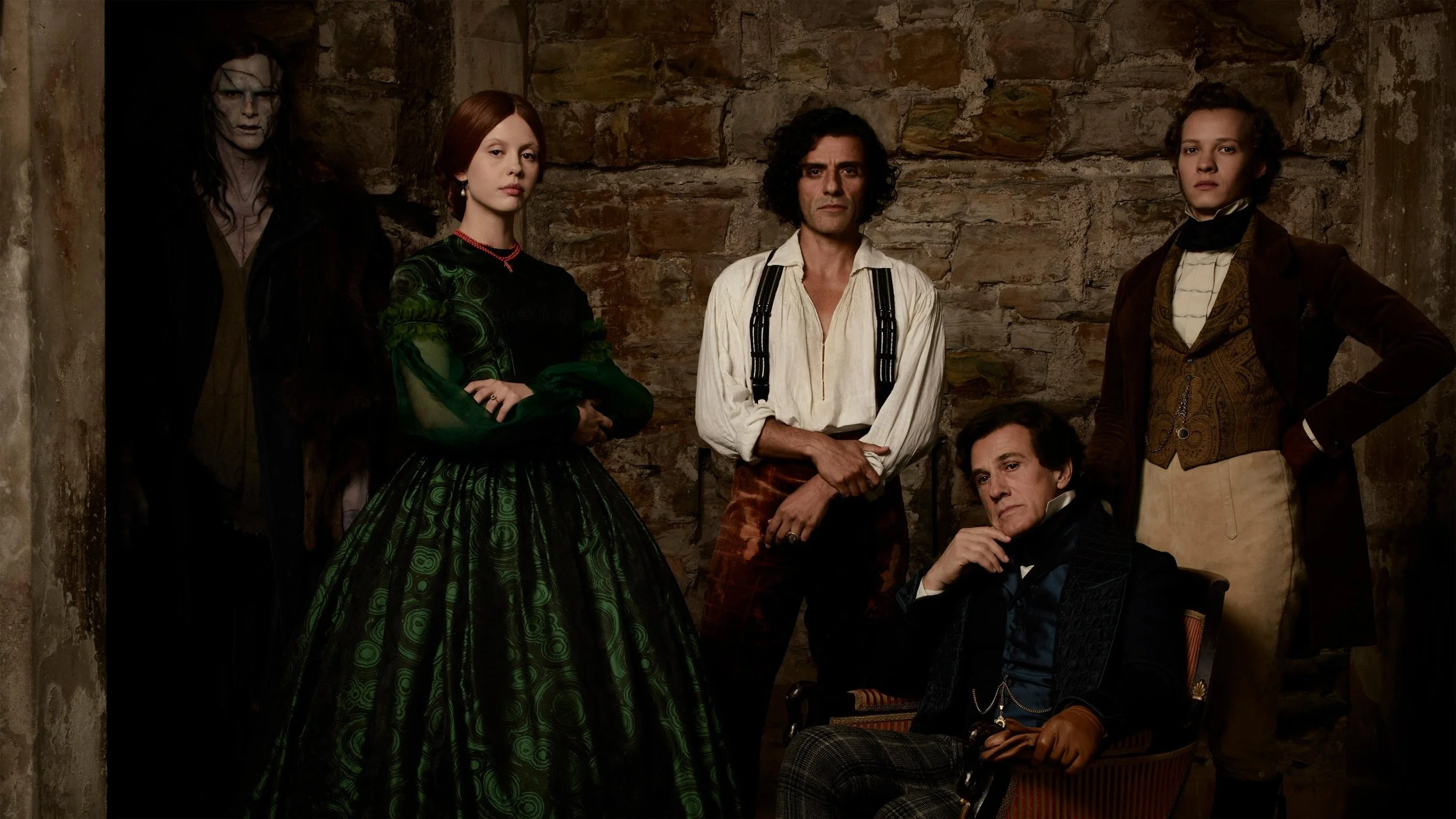
Inside the Lab: The Making of Guillermo del Toro’s Frankenstein

You’ll notice the film’s haunted, otherworldly feel, and that’s not just because of the monstrous creature at the heart of the story, Mary Shelley’s Frankenstein, when you watch Guillermo del Toro’s Frankenstein. The movie is also haunted by the years of fixation, sketchbooks, rewrites and setbacks that made it finally come to life in ’25, and for del Toro, marks the climax of a lifelong romance with his creation.

Well-known for speaking out about wanting to bring Frankenstein to the big screen since the ’90s, when he called it his “holy grail” and “a story that won’t let me go,” del Toro had the Creature in his mind for years before the movie was greenlit and wouldn’t rest until he could bring it to the screen on his own terms, and that sense of pride and perfection is present in every frame.

When Netflix came aboard with a reported $120 million budget, del Toro’s vision of the film started taking shape. The movie was filmed in Toronto, Edinburgh, and Lincolnshire, in locations with a haunting, gothic decay. Even the hotel where del Toro stayed in Scotland was allegedly haunted, and he didn’t mind sharing space with the dead as long as they didn’t disturb him during filming, a strange but funny statement.

The look of the film was a collaboration with production designer Tamara Deverell, who built imposing, gut-wrenching sets that eerily recall the twisted nightmares of Shelley’s.

The disintegrating anatomy tower, the dripping autopsy room and the massive ship Horisont, which serves as the backdrop for a lot of scenes. Everything, bar a couple of exceptions, was constructed practically, with the help of a minuscule amount of green screen and making it all look so real. The air is heavy with metallic smells and formaldehyde.

The Cinematographer, Dan Laustsen, who’s worked with del Toro on Crimson Peak and The Shape of Water, described the approach as painting with darkness. He and the director went by the mantra “don’t be afraid of the darkness, but make sure you can see into it”, which, gave a picture that’s got depth, where shadows reveal more than they hide. Looking at back on the film Frankenstein, every flicker of candlelight, every reflection in a puddle feels alive.

Coming hotfooting from the initial casting of Andrew Garfield, the part of the Creature was remade when Jacob Elordi took over. The makeup team had a nine-week deadline to completely rebuild the prosthetics, re-jig the outfit to fit Elordi’s physique and took cues from some of the earliest Universal monster designs, Goya’s pencil sketches and del Toro’s own artwork. The final result is hauntingly beautiful, it’s skin as rough as old stone, eyes that are overflowing with heartache, and stitches that seem almost ritualistic.

Mia Goth’s wardrobe, on the other hand, was an entirely different world. The costume designer Kate Hawley collaborated with del Toro to create a brand-new language of color for each character. The red of Victor’s madness, the pale blue of Elizabeth’s ethereal calmness, and the black of the Creature’s silhouette, all symbolic of the character’s transformations. The concentric circles that can be seen in the film, from the windows of the lab to the patterns on the floor represent the cycle of creation and destruction that entangles all of them.

There’s poetry in the disarray behind the scenes. During filming, del Toro is said to have played classical music, from Mahler, Bach and the early ideas for the score by Desplat. The actors would move through fog machines as soft organ melodies waft through the studio. It wasn’t done for show, it was a tradition. Del Toro calls it “the liturgy of creation”.

One of the most striking behind-the-scenes moments came during the scene of the Creature’s rebirth. The entire cast and crew was silent, no one said a word. As Elordi opened his eyes for the very first time under blinding laboratory lights, del Toro leaned forward and said, “He’s alive” and stepped back with tears in his eyes and let the cameras roll.

Del Toro has always thought of monsters as metaphors for the brokenness of human beings, a philosophy that was palpable in all aspects of the film, the sets, and prosthetics, designed to breathe and deteriorate, and so nothing in Frankenstein is neat and sterile, it’s all lived-in, rotting and holy.

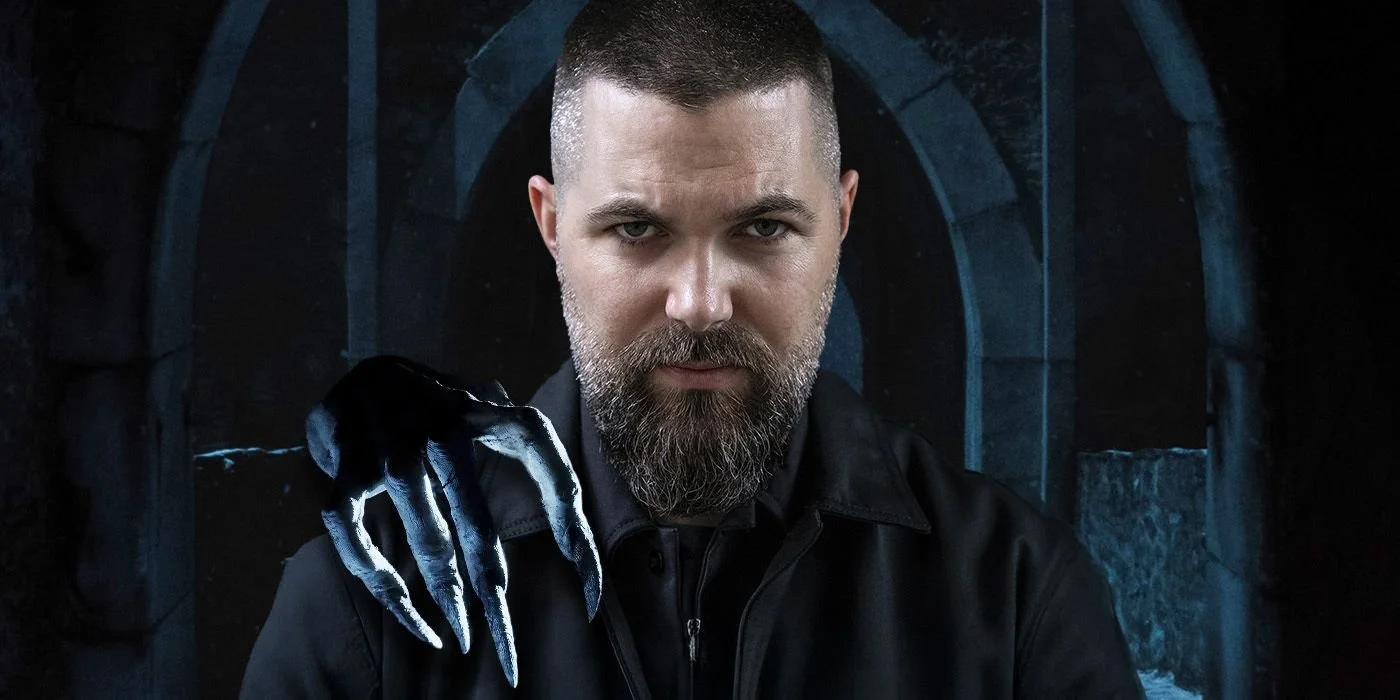
The Magic Of Robert Eggers

By Cinema
Robert Eggers’ path to cinema was anything but accidental. As a child, he seemed magnetically pulled toward the unseen and the forgotten. While his peers escaped into glossy entertainment, he wandered into older, darker corners. Folklore collections and volumes on European myths found their way onto his shelf, alongside art books and scraps of local history. He read about witches and devils not out of idle curiosity but because the stories felt present, as though they were stitched into the land and air of his home. When he walked through a New England forest or stared at a crooked barn roof, he did not see something quaint. He saw ghosts of the people who had lived there, the superstitions that had ruled their lives, the fear of isolation and punishment that had guided their days.

School years revealed that he was less performer and more builder. Acting did not interest him so much as the construction of worlds. He sketched costumes, studied old buildings, and immersed himself in the mechanics of stagecraft. Every production he worked on became a kind of laboratory where he could test ideas of tone, space, and atmosphere. His teachers noted how obsessive he was about detail. A prop could not just look convincing; it had to belong. A wall could not simply stand on stage; it had to breathe as though it had existed for centuries. These instincts separated him early, marking him not as a dreamer but as someone preparing for a future in which storytelling and authenticity would merge.

Leaving for New York at seventeen was more than a leap of faith. It was a natural continuation of the life he had already chosen. The city exposed him to a range of influences that sharpened his instincts. He studied theatre design formally, but his education spilled into museums, libraries, and the city’s streets. He haunted the Metropolitan Museum of Art, soaking in medieval armor, tapestries, and religious paintings. He visited antique shops and pored over volumes of architectural studies, teaching himself how to recognize periods by the slope of a roof or the cut of a cloak. He was training himself to see the world through layers of history.

Eggers carved out a career in theatre and production design across New York’s experimental stages. The work was not glamorous but it was rigorous. Budgets were tight, deadlines were punishing, and audiences were demanding. He learned how to stretch materials, how to build worlds from almost nothing, and how to keep an eye on precision even under pressure. His dedication made him valuable to directors who wanted sets that could carry a story rather than simply hold it. Each production refined his ability to blend narrative with environment, a skill that would later make his films feel immersive to the point of suffocation.

During this period he also experimented with short films, testing how his obsession with atmosphere and detail could translate to the screen. These early works did not reach large audiences but they became proving grounds. He realized that cinema gave him tools theatre could not. The camera could linger on the grain of wood, the flicker of candlelight, the nervous glance of an actor inhabiting a bygone world. It was here that Eggers began to imagine how his lifelong love of folklore and his theatre discipline could merge. He was still years away from The Witch, but the scaffolding was being built with care and intention.

By the late 2000s and early 2010s, Eggers had forged a reputation within design circles as someone unusually committed to authenticity. He was not content with shortcuts or casual approximations. His research process became legendary among collaborators. He scoured archives, tracked down forgotten craft manuals, and studied diaries from centuries past to understand how people spoke, dressed, and moved. This obsession was not a quirk but a philosophy. To him, the past was not distant. It was alive, and his job was to resurrect it without compromise.

That philosophy was waiting for a canvas large enough to contain it. The transition from designer to filmmaker was inevitable. By the time he reached his early thirties, Eggers had spent more than a decade preparing, consciously or not, for a project that would fuse his childhood obsessions with his professional discipline. The Witch was not yet born, but all the elements that would define it were already assembled within him. He had the folklore of New England in his veins, the discipline of theatre etched into his hands, and the hunger for authenticity driving every choice. The world just had not seen it yet.

Robert Eggers’ years in New York were shaping him into more than a designer. By his late twenties he had begun to feel the limits of theatre. The sets he created were convincing, but they lasted only as long as the production did. Once the curtain closed, the world he had built disappeared. Cinema offered something different. Film preserved atmosphere. It allowed him to construct an environment that would live on, with every detail captured in perpetuity. He began to treat short films as experiments, miniature laboratories where he could refine the visual vocabulary he had been gathering since childhood.

These early shorts showed flashes of what would become his signature. Sparse dialogue, an oppressive sense of place, and a constant awareness of the unseen forces surrounding his characters. They were not polished works in the traditional sense, but they carried a seriousness of purpose that set them apart from the disposable projects common to young filmmakers. Eggers had no interest in clever tricks or trendy aesthetics. He was after something older, something elemental.

To get there, he buried himself in research. If he wanted to make a film about New England folklore, he needed to inhabit that world completely. He read court documents from the Salem witch trials, studied the diaries of Puritan settlers, and combed through manuals on farming, carpentry, and domestic life from the seventeenth century. He listened to scholars of folklore describe how fear shaped communities, and he absorbed their language until it felt like his own. The goal was not to imitate the past, but to resurrect it with such fidelity that the audience would forget they were watching a film at all.

This obsession with authenticity made financing his first feature a difficult task. Producers admired his vision but worried about its precision. Period horror films were not often commercial, and Eggers was unwilling to compromise. He wanted actors to speak in archaic dialects, costumes stitched with historically accurate techniques, and sets constructed from the same materials used in the seventeenth century. For many backers, it seemed unrealistic, even reckless. Eggers refused to bend. His conviction was that only through this rigor could he capture the suffocating spiritual atmosphere of early colonial life.

Those years of searching for support tested him. The theatre background that had given him discipline now gave him patience. He had been building sets under impossible deadlines and inventing solutions with scraps; he knew persistence was everything. Eggers began to surround himself with collaborators who shared his hunger for authenticity. Costume designers, set builders, and cinematographers were drawn to his seriousness. They understood that this was not another horror film, but a chance to immerse themselves in history and conjure something that had never been seen in cinema before.

By his early thirties, the project that had once seemed an impossible obsession began to solidify. Eggers had a script rooted in folklore, a design philosophy anchored in authenticity, and a small but devoted circle of allies who believed in his vision. The New England of his childhood, haunted by superstition and shadowed by history, was finally being built again, this time not in a theatre or on the page but in the language of film.

He had not yet shot a frame, but the shape of his future was clear. Everything he had lived through — the forests of New Hampshire, the haunted atmosphere of Massachusetts, the unforgiving training grounds of New York theatre — had been preparation. What began as a boy’s obsession with ghost stories had become the architecture of a world. All that remained was to open the door and invite the audience inside.

The Witch (2015)

When Eggers finally began shaping The Witch, it felt less like a debut and more like an arrival. Everything he had been collecting since childhood — the folklore, the stagecraft, the obsession with detail — had been building toward this moment. The forests of New England that had once frightened him now became his canvas. He wanted not a story set in the seventeenth century, but a story that breathed with the same air those settlers had inhaled.

He started where he always did, with research. Court records from the Salem witch trials, diaries of Puritan families, guides on farming, carpentry, and prayer books worn thin from use. He did not just want dialogue that sounded old; he wanted language lifted directly from the mouths of the people who lived it. Costumes were stitched with the same methods colonists had used. Houses were built from raw timber in the same way. Even the animals on set were chosen for their period accuracy. Nothing was to feel borrowed. Everything had to belong.

Producers and investors were nervous. Period horror was a risk, and Eggers’ refusal to compromise made it riskier. Yet the severity of his vision became its strength. The film that emerged was stripped down and relentless. A family torn apart by isolation and superstition, left to face a darkness that could not be explained away. The details of their world were so precise that audiences began to believe in it before the horror arrived. When the fear took hold, it felt inevitable, as if it had been waiting all along in the woods.

Critics responded with the same unease as audiences. The Witch did not play like a traditional horror film. There were no jump scares, no familiar rhythms. It was slow, suffocating, and exacting. It asked viewers to live inside the terror of a family whose faith and fear were inseparable. Some called it too severe, others called it a masterpiece, but no one could ignore it.

For Eggers, the film was a declaration. He proved that rigor and obsession could yield something both haunting and original. The Witch was not simply a period piece, nor was it another genre exercise. It was the meeting point of folklore, history, and cinema, pulled from the soil of New England and lit by the flicker of candlelight. What began as a child’s fascination with ghost stories had grown into a vision capable of unsettling the world.

The Witch did not ease its way into the world. It crashed into Sundance in 2015 like an omen. Critics were divided but no one was indifferent. Some were unsettled by its severity, the archaic speech, the suffocating pace. Others praised it as a revelation, a work that broke horror free from its usual formulas. For many, it was the rare debut that felt fully formed, as though Eggers had stepped into cinema already knowing exactly who he was.

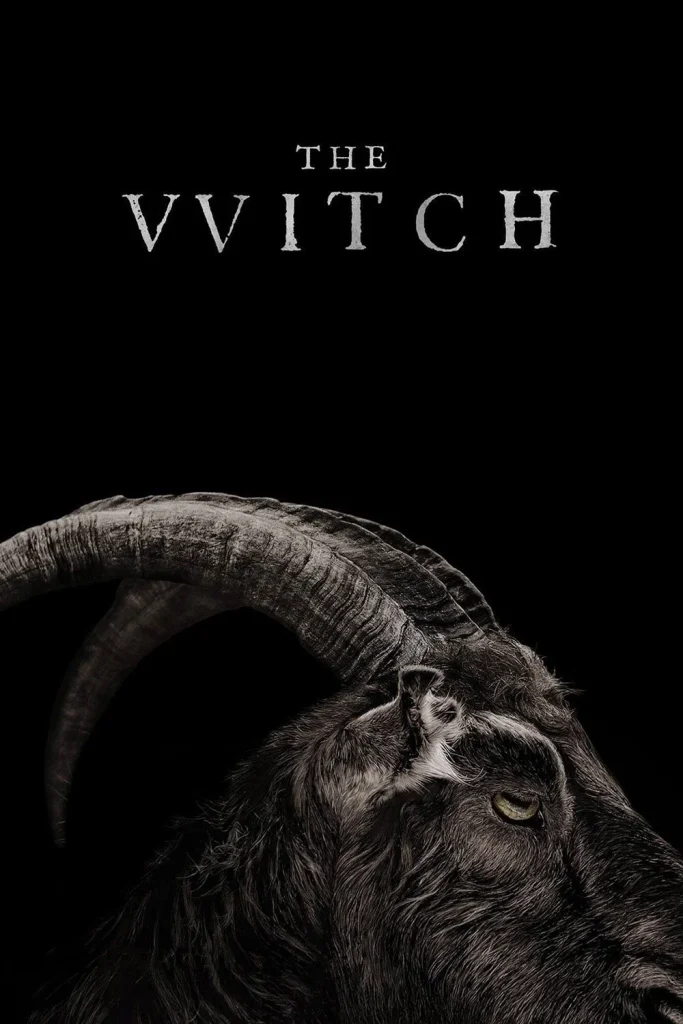
The film’s marketing leaned on the horror label, but what audiences found was something closer to folklore given flesh. Word of mouth carried it beyond the festival circuit. Viewers argued over its meaning, whispered about its imagery, and turned scenes into cultural shorthand. The goat, Black Phillip, became a figure of fascination, not just a character but a symbol of the film’s unnerving power. Anya Taylor-Joy’s performance, radiant and strange, marked the arrival of a new star.

Eggers, for his part, resisted the sudden hype. He remained almost monkish in interviews, always steering conversation back to the process, the research, the texture of history. Success hadn’t softened his rigor. If anything, it gave him proof that audiences could embrace a film built on uncompromising authenticity. He did not have to bend to convention. He could build worlds his way, down to the last nail and stitch, and people would follow him into them.

Awards followed, though they were not the usual genre nods. The Witch picked up the Directing Award at Sundance and earned recognition from critics’ groups across the country. What stood out was not just its artistry but the seriousness with which it was received. Horror films were often dismissed as entertainment. Eggers’ debut was treated like art. That shift mattered. It placed him in a lineage with filmmakers like Bergman, Tarkovsky, and Dreyer, directors who used atmosphere and folklore to explore the darker reaches of faith and fear.

For audiences, the film was unforgettable precisely because it did not try to please. The Witch was a slow poison, a vision that lingered long after the credits. It left viewers unsure whether they had witnessed the supernatural or simply the collapse of a family under crushing belief. That ambiguity was the point. Eggers had forced modern audiences to inhabit a world where faith and paranoia were indistinguishable, where the devil might not exist but could still destroy lives.

In the wake of its success, Eggers’ reputation hardened quickly. He was no longer just a production designer with a fascination for folklore. He was a filmmaker with a singular voice, a craftsman who demanded precision not for its own sake but because it unlocked a kind of truth that cinema rarely reached. The Witch had not only introduced Robert Eggers to the world. It had marked him as one of the few directors willing to risk everything for authenticity, even if it meant unnerving the very people who had come to be entertained.